

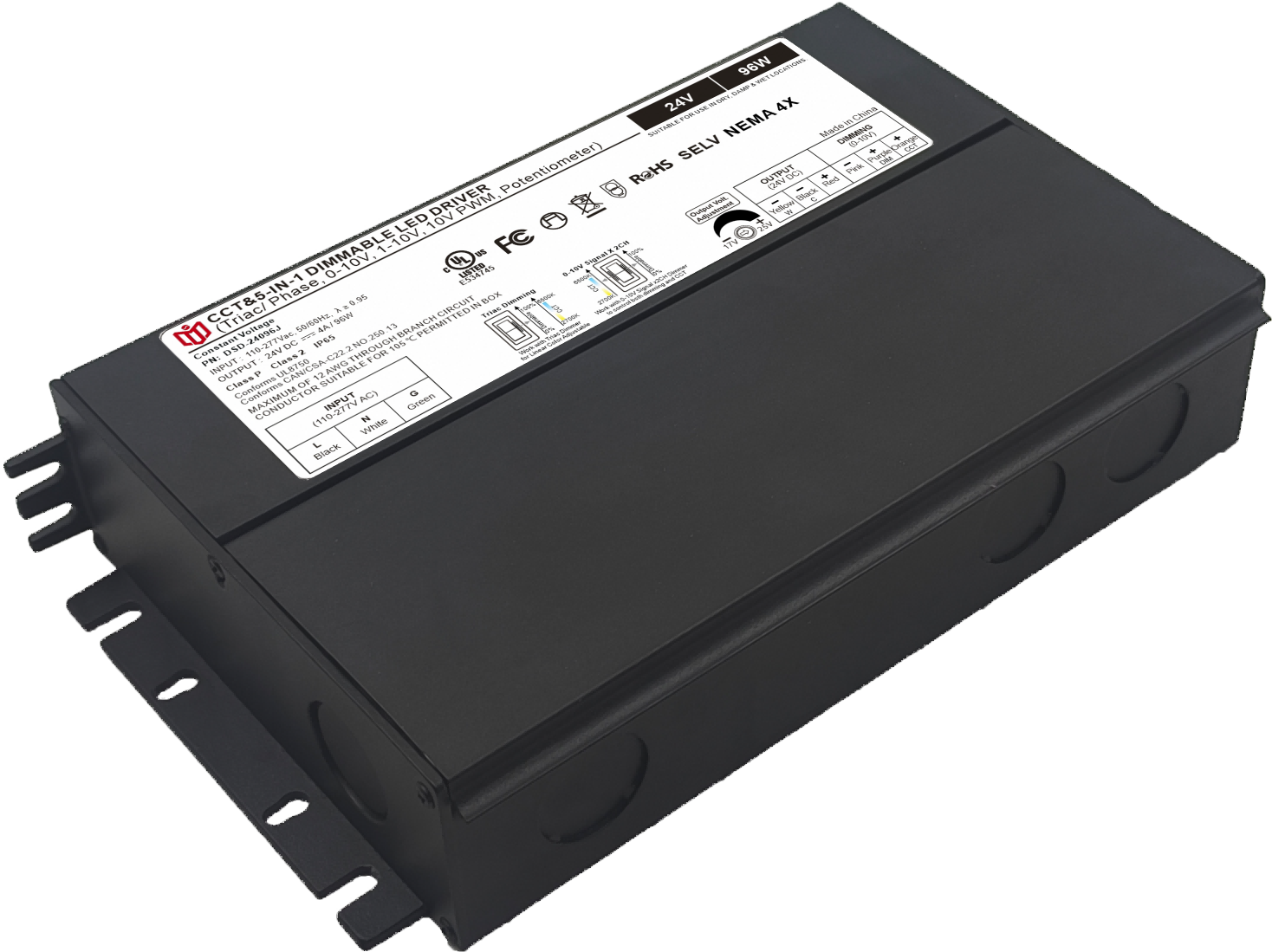
High Efficiency: The Cornerstone of Reliability for Dimmable LED Drivers For dimmable LED drivers
High Efficiency Analysis of Dimmable LED Drivers
Energy efficiency is an extremely critical parameter that directly determines product service life. Compared with mainstream competitors in the industry, Demidim’s dimmable drivers deliver an efficiency lead of 4 to 5 percentage points.
Take our 24V 96W TRIAC dimmable driver as an example: Demidim achieves an efficiency of 90%, while most peer products only reach 86%. This gap is tangible and impactful. This article elaborates on how efficiency affects temperature rise, service life and long-term operating performance of dimmable drivers, with practical analysis for your reference.
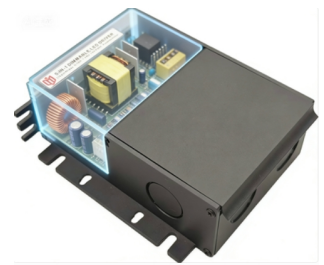
1. The Essence of Efficiency: Energy Loss Converts Directly into Heat
The efficiency of a driver refers to the ratio of output power to input power. Any energy that is not converted into usable output power will be dissipated as internal heat. This is the fundamental principle behind how efficiency influences overall product performance.
We make a comparative calculation based on the 24V 96W TRIAC dimmable driver:
- Demidim (90% efficiency): Total input power ≈ 106.7W, internal power loss = 10.7W
- Peer Product (86% efficiency): Total input power ≈ 111.6W, internal power loss = 15.6W
- A mere 4-percentage-point difference in efficiency results in an extra power loss of 4.9W inside the driver. Equivalent to a 5W light bulb running continuously inside the unit, the accumulated heat will bring obvious adverse effects.
2. Efficiency Determines Temperature Rise: Heat Is the Top Threat to Driver Lifespan
Key electronic components inside LED drivers, such as electrolytic capacitors, MOSFETs and transformers, are highly sensitive to operating temperature. As a general rule, the service life of electrolytic capacitors will be nearly halved for every 10°C increase in temperature. Electrolytic capacitors are also the core components that decide the overall lifespan of a driver.
2.1 High efficiency effectively controls temperature rise
Thanks to optimized circuit design, low-loss power components and well-structured heat dissipation layout, Demidim’s high-efficiency drivers cut down power loss fundamentally and maintain a low temperature rise. For the 24V 96W model under full load, its surface temperature rise is well controlled, and the junction temperature of core components stays far below the critical threshold. In contrast, peer products with 86% efficiency suffer higher power loss, with a much higher temperature rise during continuous operation.
2.2 Hazards of excessive temperature rise
Sustained high temperature will accelerate component aging and trigger various failures:
- Electrolytic capacitors: High temperature speeds up electrolyte volatilization, leading to capacity decline, increased equivalent series resistance (ESR), bulging or even leakage. Their service life will be greatly shortened.
- Power devices: Elevated temperature increases on-resistance and leakage current of MOSFETs and TRIACs, causing frequent over-temperature protection or permanent burnout.
- Inductors & transformers: Thermal aging damages insulation layers and aggravates core loss, resulting in abnormal buzzing and unstable output.
- In short, drivers working under high temperature will see a sharp rise in failure rate.
3. Efficiency Guarantees Long-term Stable Operation
Dimmable LED drivers are widely used in commercial lighting, hotels, retail stores and other scenarios, where equipment runs for over 12 hours per day on average. The difference caused by efficiency and temperature rise will become more prominent during long-term operation.
3.1 Advantages of high-efficiency drivers
With low power loss and low temperature rise, Demidim’s drivers maintain excellent performance in long-term service:
- Slow component aging: Core parts work under mild thermal conditions, ensuring long design life.
- Consistent performance: No obvious power attenuation, flickering or buzzing during continuous operation. The drivers are fully compatible with leading-edge and trailing-edge TRIAC dimmers.
- Strong environmental adaptability: The low-temperature design ensures stable operation even in enclosed fixtures or relatively high ambient temperature, without frequent over-temperature shutdown.
3.2 Drawbacks of low-efficiency drivers
Drivers with lower efficiency operate at high temperatures all the time:
- Short actual service life due to rapid component aging.
- Higher comprehensive costs: Frequent failures require repeated replacement and maintenance, resulting in higher labor and material costs in the long run.
- Poor dimming experience: Unstable TRIAC conduction under high temperature easily causes light flickering and noise.
4. Technical Strength Behind Demidim’s Efficiency Edge
The 4~5 percentage points efficiency advantage comes from our continuous technical optimization:
- Optimized circuit topology: Self-developed phase-cut dimming circuits reduce switching loss and improve overall efficiency.
- Carefully selected components: We adopt low on-resistance MOSFETs, low-loss transformers and long-life electrolytic capacitors to cut down power consumption at the source.
- Professional thermal design: Thickened aluminum housing and large-area copper laying on PCBs optimize heat dissipation paths and further lower temperature rise.
Conclusion
Efficiency is never just a nominal parameter for dimmable LED drivers. It is a key factor linking temperature rise, reliability and service life. A 4 to 5 percentage points gap in efficiency means different levels of heat generation, component aging rate and long-term stability.
Committed to high efficiency, low loss and high reliability, Demidim keeps upgrading core technologies. Our dimmable drivers deliver stable performance throughout their lifecycle, effectively reducing post-operation maintenance costs and providing dependable power solutions for all kinds of intelligent dimming lighting projects.
Related Posts
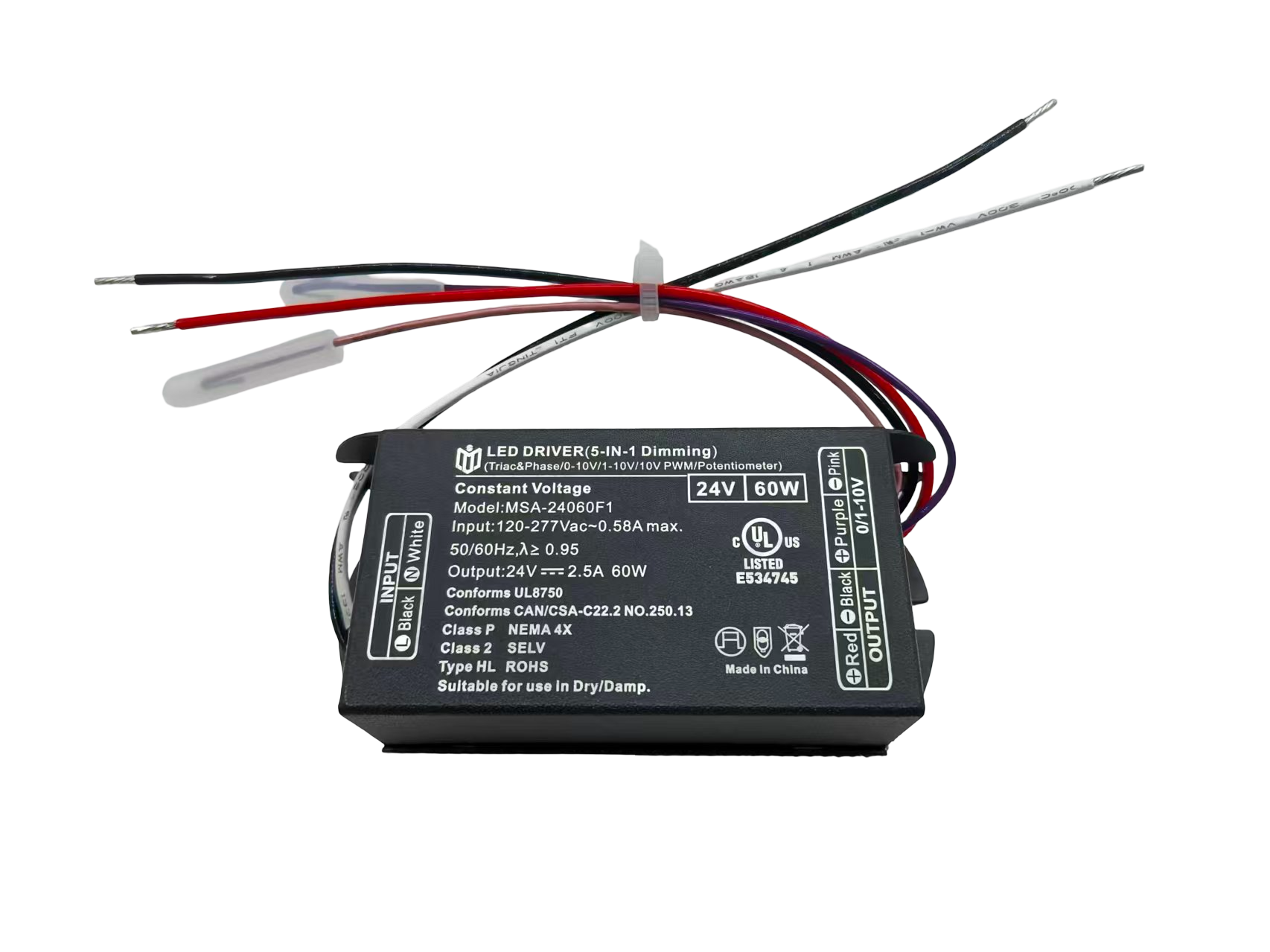
Focus on MMPC multimodal algorithm phase control
Jun 05, 2026
Why Choose Zhuhai Demi TRIAC Dimmable LED Drivers?
May 07, 2026